Saona Island Traditional Music and Dance – Caribbean Rhythms, Cultural Expression & Visitor Etiquette
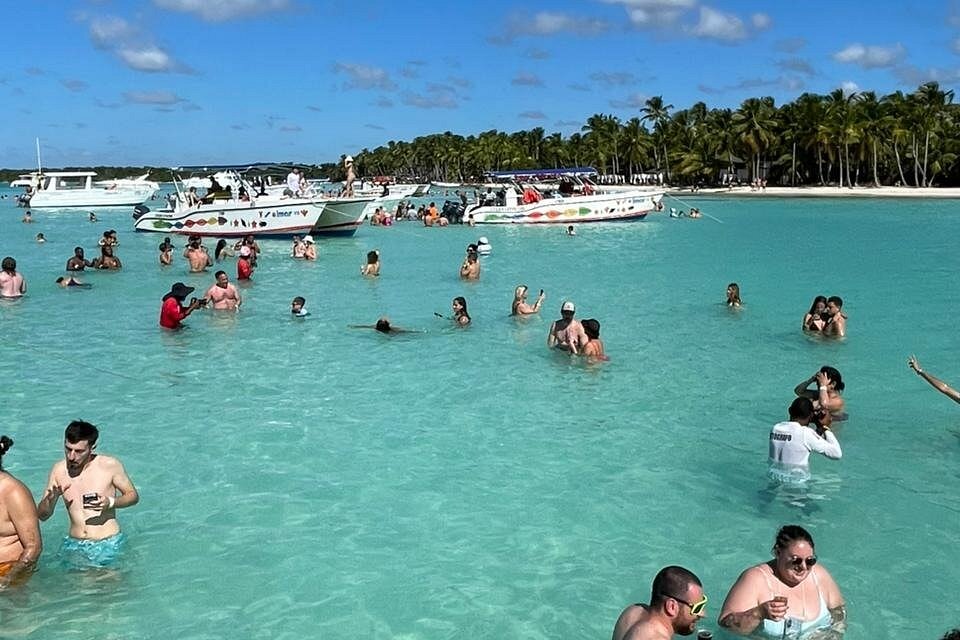
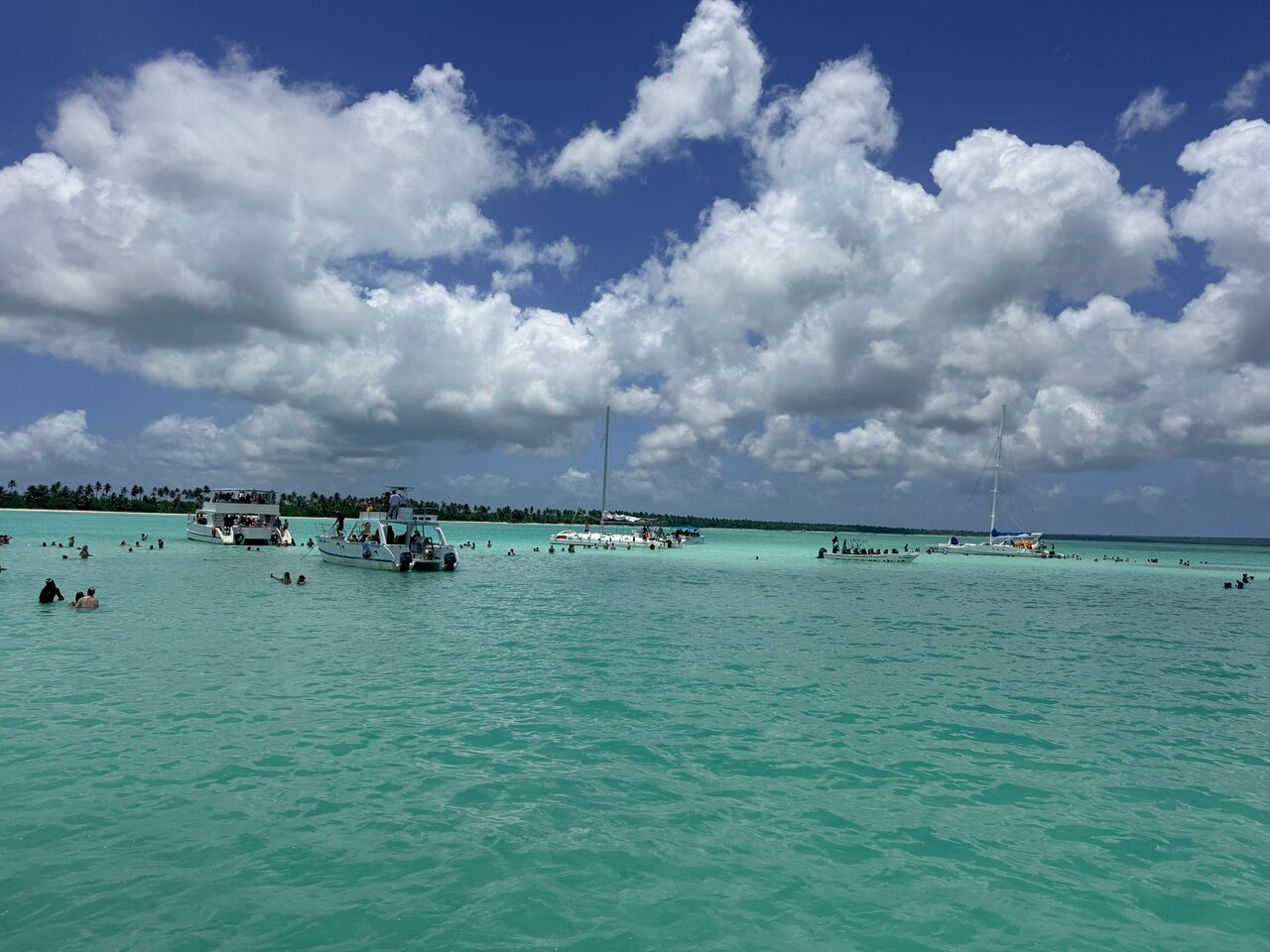
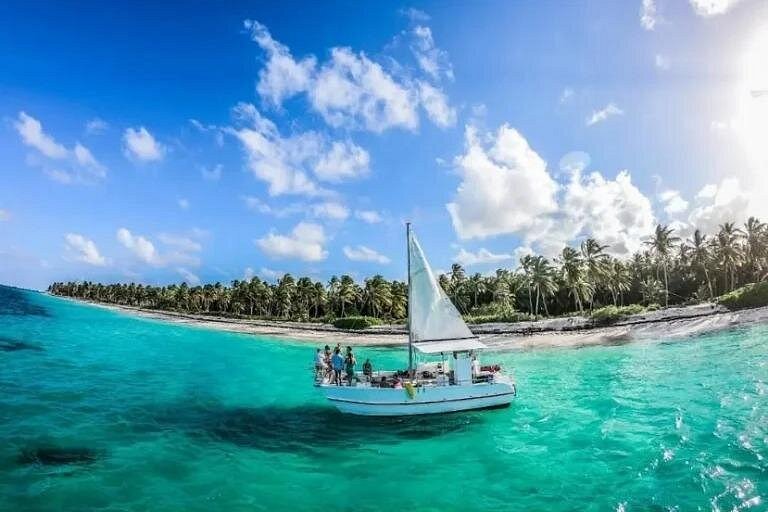
Saona Island is widely appreciated for its turquoise water, palm-lined beaches, natural landscapes, and peaceful Caribbean atmosphere. However, the island experience can also be an opportunity to learn about the cultural traditions of the Dominican Republic. Among the most recognizable parts of Dominican culture are its music and dance.
Traditional and popular Dominican music reflects a mixture of historical influences, community traditions, rhythm, and everyday social life. Merengue and bachata are particularly well-known examples, enjoyed throughout the country and internationally. Their rhythms provide an introduction to the cultural identity of the Dominican Republic.
Although Saona Island is not necessarily a destination with scheduled traditional music performances, visitors may encounter Dominican music through local hospitality, tourism activities, or cultural experiences arranged by individual providers. Understanding the wider musical heritage can make a visit more meaningful.
This guide explores Dominican music and dance, their cultural significance, what visitors might encounter around Saona Island, and how to appreciate these traditions respectfully.
1. Understanding the Musical Culture of the Dominican Republic
Music is an important part of social and cultural life in the Dominican Republic. It can accompany celebrations, family gatherings, festivals, community events, and everyday entertainment.
Dominican musical traditions have developed through different historical and cultural influences, including African and European elements. Over generations, these influences helped shape distinctive musical styles with recognizable rhythms and instruments.
Two especially prominent genres are merengue and bachata. Both are associated with Dominican identity, although they have different musical characteristics and dance styles.
For visitors exploring Saona Island, learning about these genres offers a useful way to understand the broader culture of the country beyond its beaches and natural attractions.
2. Merengue: An Iconic Dominican Rhythm
Merengue is one of the best-known musical traditions of the Dominican Republic. Its energetic rhythm and lively dance style make it a familiar part of Dominican celebrations and social entertainment.
Traditional merengue commonly features instruments such as the accordion, tambora drum, and güira. Modern arrangements may include additional instruments and production styles.
What makes merengue distinctive?
- Energetic rhythm: Merengue generally has a lively and steady beat.
- Partner dancing: The dance is commonly performed by two people.
- Musical variety: Traditional and modern arrangements can sound different.
- Social connection: Dancing can bring people together during celebrations and gatherings.
Visitors who hear merengue during a Dominican Republic trip may notice how its rhythm encourages movement and participation.
3. Bachata: A Recognizable Dominican Dance Tradition
Bachata is another major musical genre associated with the Dominican Republic. It is known for its guitar-based sound, expressive lyrics, and distinctive partner-dance movements.
The music developed from Dominican popular culture and gradually gained international recognition. Today, bachata is danced in many countries, with different interpretations and styles.
Common characteristics of bachata
- Guitar-led melodies and rhythmic accompaniment.
- A recognizable four-beat musical structure.
- Partner dancing with coordinated steps.
- Songs that often explore love, relationships, emotions, and everyday experiences.
For travelers, bachata offers another perspective on Dominican cultural expression. Even if a visitor has heard the music before, experiencing it in the country where it developed can provide a stronger cultural connection.
4. Traditional Instruments and Their Sounds
Musical instruments help create the distinctive sounds associated with Dominican music.
Some instruments commonly connected with Dominican musical traditions include:
Accordion: Frequently associated with traditional merengue, the accordion produces a recognizable melodic sound.
Tambora: A double-headed drum used in traditional merengue, contributing to its rhythmic foundation.
Güira: A metal percussion instrument played by scraping its surface to create a continuous rhythmic texture.
Guitar: Particularly important in bachata, the guitar contributes melodic and rhythmic elements.
Bass and percussion: These instruments support the rhythm and provide depth in many modern arrangements.
Not every performance will use traditional instruments. Contemporary Dominican music includes many different arrangements and influences.
5. Can Visitors Experience Traditional Music on Saona Island?
Saona Island is primarily known for its beaches, boat excursions, natural scenery, and coastal environment. Music may be part of some tourism experiences, but visitors should not assume that traditional performances take place at every beach, village, or excursion stop.
Some tour operators may include music as part of their onboard entertainment or beach activities. Others may focus mainly on sightseeing, swimming, and relaxation.
The experience depends on the provider, itinerary, season, and activities offered on the day.
Questions to ask before booking
If music or cultural entertainment is important to your trip, ask the tour operator:
- Does the excursion include Dominican music?
- Is there a live performance or recorded music?
- Is dancing included or optional?
- Is the entertainment provided by local performers?
- Is there an opportunity to learn about the music and its cultural background?
Confirm these details directly rather than relying on general descriptions or assumptions.
6. Mano Juan and the Wider Cultural Context
Mano Juan is a community on Saona Island that provides visitors with a glimpse of local island life. Travelers interested in the island's cultural setting may find it worthwhile to learn about the community, its history, and its everyday activities.
Music and dance should be understood as part of the wider Dominican cultural landscape rather than as attractions that are guaranteed to be available in Mano Juan.
A respectful visit means recognizing that the community is a place where people live and work, not simply a performance venue for tourists.
If a local cultural activity is offered, ask whether visitors are welcome to observe or participate. Follow the guidance of hosts and avoid interrupting private community activities.
7. Dominican Dance: More Than Entertainment
Dance is an important way people express music, creativity, and social connection.
Merengue and bachata are both widely recognized partner-dance styles, but they have different movements and musical interpretations.
Merengue is generally associated with a lively, steady movement, while bachata often features more expressive footwork and body movement.
Visitors do not need previous dance experience to appreciate these styles. Watching a performance, listening to the rhythm, or joining a beginner-friendly activity can be enjoyable ways to engage with Dominican culture.
However, participation should always be voluntary. Not every local gathering or music session is intended for tourists.
8. How to Appreciate Music and Dance Respectfully
Cultural appreciation begins with respect. If you encounter local music or dancing during your Saona Island visit, a few simple practices can help create a positive experience.
Ask before recording
Always ask permission before filming or photographing performers and community members. Some people may be comfortable being recorded, while others may prefer privacy.
Respect private celebrations
A family gathering or community event may not be a public tourist activity. Do not enter private spaces or interrupt celebrations without an invitation.
Avoid treating culture as a performance
Local music and dance are living cultural expressions. They should not be reduced to a staged attraction or assumed to be available on demand.
Support legitimate local activities
If a local cultural experience is officially offered, consider participating through its organizer. Ask what is included and how the activity supports the people involved.
Be open to learning
You can enjoy Dominican music without knowing every dance step or instrument. Listening carefully and showing genuine interest are valuable ways to appreciate the culture.
9. What to Expect From Music During a Saona Island Excursion
A Saona Island excursion may include different types of entertainment depending on the tour provider.
Some trips may feature recorded Caribbean or Dominican music during a boat journey. Others may provide a quieter atmosphere focused on the scenery and natural environment.
A music-focused experience should be confirmed before booking.
It is useful to distinguish between three possibilities:
- Recorded music: Music played through speakers during a boat trip or beach stop.
- Live entertainment: A performance by musicians or dancers, if specifically arranged.
- Cultural learning: An organized opportunity to learn about Dominican musical history, instruments, or dance.
These are different experiences, and one should not be assumed to include the others.
10. How to Prepare for a Music or Dance Experience
If your excursion includes a cultural activity, a little preparation can help you enjoy it.
- Learn the basic difference between merengue and bachata.
- Wear comfortable clothing suitable for the activity and weather.
- Follow the instructor's guidance during a dance lesson.
- Ask before recording performers.
- Bring drinking water and protect yourself from the sun during outdoor activities.
- Check whether the activity is included in the tour price or requires an additional payment.
If you are unfamiliar with Dominican music, listening to a few well-known merengue and bachata recordings before traveling can help you recognize the rhythms.
11. Why Music Adds Another Dimension to a Saona Island Visit
The natural beauty of Saona Island is a major reason people visit, but travel can become more meaningful when visitors also learn about the culture of the destination.
Music provides a connection to the wider Dominican Republic. It can introduce visitors to the country's artistic traditions, historical influences, social customs, and creative expression.
A beach excursion and a cultural activity offer different experiences. Combining them, when a suitable activity is genuinely available, can create a more balanced understanding of the destination.
The most important point is to approach local culture with curiosity rather than expectation. A visitor may hear Dominican music during a tour, discover it through a cultural activity, or simply learn about it before arriving.
Frequently Asked Questions
1. What traditional music is the Dominican Republic known for?
The Dominican Republic is especially known for merengue and bachata. Both are important parts of its musical identity and are enjoyed locally and internationally.
2. Is merengue popular in the Dominican Republic?
Yes. Merengue is one of the country's best-known musical genres and is widely associated with Dominican celebrations and cultural identity.
3. What is the difference between merengue and bachata?
Merengue generally has a lively, steady rhythm and commonly uses instruments such as accordion and tambora in traditional arrangements. Bachata is strongly associated with guitar-based melodies and a different partner-dance style.
4. Can I watch traditional dancing on Saona Island?
Possibly, depending on the excursion or cultural activity available. However, traditional dance performances are not guaranteed on every Saona Island tour. Confirm directly with the provider.
5. Does every Saona Island tour include music?
No. Some providers may play music during the excursion, while others focus on transportation, beaches, swimming, and sightseeing. Check the itinerary before booking.
6. Can tourists learn merengue or bachata during a Saona Island visit?
A lesson may be available through a particular tour or activity provider, but it should not be assumed. Ask whether an organized beginner-friendly lesson is included.
7. Which instruments are used in traditional merengue?
Traditional merengue commonly features accordion, tambora, and güira. Other instruments may be used in modern arrangements.
8. Is it respectful to photograph local musicians and dancers?
Ask permission before taking photographs or videos, especially when recording identifiable individuals or private community activities.
9. Is music part of the cultural experience in Mano Juan?
Music is part of the wider Dominican cultural context, but visitors should not assume that Mano Juan has scheduled performances or public dance activities. Check with a local organizer if you are interested in a specific experience.
10. How can I experience Dominican culture beyond Saona Island's beaches?
Learn about merengue and bachata, explore local history, support organized cultural activities, and approach community visits respectfully. These experiences can complement the island's natural attractions.
Conclusion
Saona Island offers much more than beautiful beaches and clear Caribbean water. It also provides an opportunity to learn about the wider cultural identity of the Dominican Republic.
Merengue, bachata, traditional instruments, and partner dancing are important parts of that identity. Understanding their background can make a visit more meaningful, even when a particular excursion does not include a live performance.
If you want to experience Dominican music and dance during your trip, ask your tour provider about genuine cultural activities before booking. Most importantly, appreciate local traditions with curiosity, respect, and an understanding that culture belongs to the people who keep it alive.

Local explorer & expert guide in Punta Cana Tours.