Saona Island Marine Osmoregulation: How Ocean Animals Balance Salt & Water
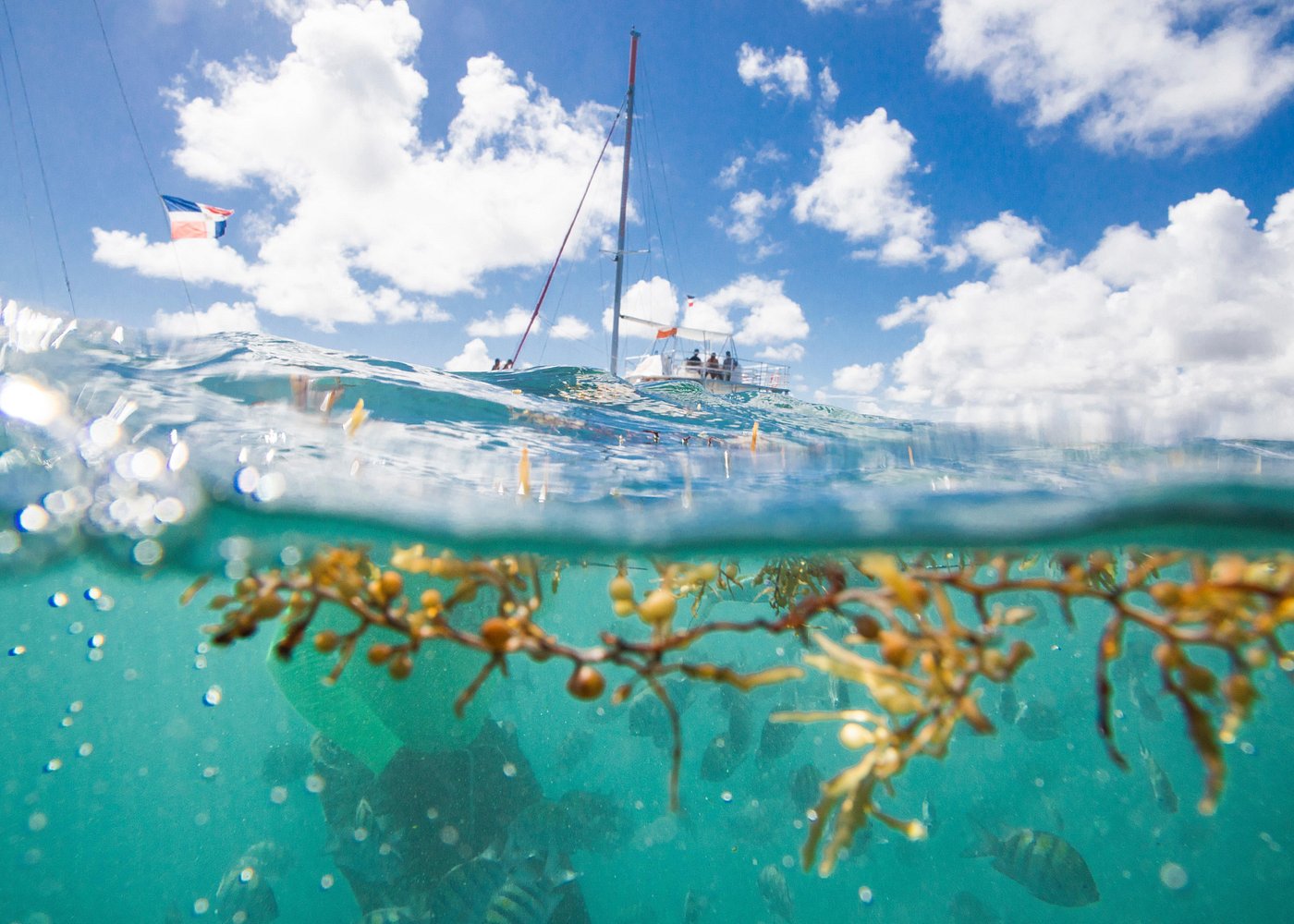
The Caribbean Sea surrounding Saona Island provides a fascinating environment for marine life. Beneath its tropical waters, fish, crustaceans, mollusks, and other organisms survive under conditions that constantly challenge the balance of water and dissolved salts inside their bodies.
One important biological process that makes this possible is called osmoregulation.
Osmoregulation is the process through which living organisms control the concentration of water and dissolved substances in their internal fluids. In marine environments, this ability is especially important because seawater contains a high concentration of dissolved salts.
Marine animals have developed different physiological adaptations to maintain internal balance. Fish use specialized gill cells and kidneys, while crustaceans may use their gills and other body structures to regulate ions and water. Marine reptiles and other groups have developed additional mechanisms suited to their environments.
Understanding osmoregulation helps explain how marine animals survive in the Caribbean Sea and why their internal biology is closely connected to the surrounding environment.
This guide explores the science of marine osmoregulation, the differences between marine animal groups, and the importance of healthy ocean conditions for life around Saona Island.
What Is Osmoregulation?
Osmoregulation is the biological control of water and dissolved ion concentrations within an organism.
Water naturally moves across selectively permeable membranes through a process called osmosis. It generally moves from an area with a lower concentration of dissolved particles toward an area with a higher concentration, depending on the membrane and surrounding conditions.
Because marine animals live in water containing dissolved salts, they must regulate the movement of water and ions to maintain stable internal conditions.
These dissolved substances include:
- Sodium ions.
- Chloride ions.
- Potassium ions.
- Calcium ions.
- Magnesium ions.
The correct balance of these substances is essential for nerve function, muscle activity, cellular processes, and normal metabolism.
Without effective regulation, an organism may experience harmful changes in cell volume and internal chemical conditions.
Why Is Osmoregulation Important in Seawater?
Seawater is generally more concentrated in dissolved salts than the body fluids of many marine bony fish.
This creates an osmotic challenge.
For many marine bony fish, water tends to move out of their bodies through osmosis, while dissolved salts tend to enter.
As a result, these fish need mechanisms to replace lost water and remove excess salts.
Their survival depends on maintaining an internal environment that supports normal physiological functions.
Different marine animals solve this challenge in different ways. There is no single osmoregulatory system used by all ocean organisms.
How Marine Bony Fish Maintain Salt and Water Balance
Marine bony fish, also called marine teleosts, have several specialized structures that help them regulate their internal environment.
1. Drinking seawater
Unlike many freshwater fish, marine bony fish actively drink seawater.
This helps replace water lost through osmosis.
However, drinking seawater also introduces additional salts that must be removed.
2. Salt regulation through the gills
The gills are important organs for gas exchange and ion regulation.
Specialized cells called ionocytes, sometimes known as chloride cells, help marine bony fish remove excess sodium and chloride ions.
These cells use transport proteins and energy-dependent mechanisms to move ions from the blood toward the surrounding seawater.
This allows the fish to maintain internal salt concentrations within a suitable range.
3. Kidney function
The kidneys help regulate water and dissolved substances.
Marine bony fish generally produce relatively small quantities of urine compared with many freshwater fish.
Their kidneys help conserve water while removing certain waste products and regulating ions.
4. Intestinal water absorption
The intestine plays an important role after seawater is swallowed.
Salts are processed, and water is absorbed through the intestinal lining.
This helps the fish recover water while limiting the internal effects of excessive salt intake.
Together, the gills, kidneys, and intestine maintain the internal balance required for survival.
How Freshwater Fish Differ From Marine Fish
Freshwater fish experience almost the opposite osmotic challenge.
Their internal body fluids generally contain more dissolved substances than the surrounding freshwater.
As a result:
- Water tends to enter their bodies through osmosis.
- They generally do not need to drink large quantities of water.
- Their kidneys produce relatively large volumes of dilute urine.
- Their gills actively absorb important ions from the surrounding water.
Marine bony fish and freshwater fish therefore use different regulatory strategies.
This comparison demonstrates how environmental conditions influence the evolution of animal physiology.
Osmoregulation in Sharks and Rays
Sharks and rays belong to a group of fishes called elasmobranchs.
Their osmoregulatory strategy differs from that of typical marine bony fish.
Many marine sharks and rays retain relatively high concentrations of urea and other organic compounds in their body fluids.
This helps make their internal fluids approximately similar in total osmotic concentration to seawater, or sometimes slightly higher.
Because of this strategy, they generally experience less water loss than marine bony fish.
However, they still need to regulate inorganic ions such as sodium and chloride.
The kidneys and a specialized organ called the rectal gland contribute to this regulation.
What Does the Rectal Gland Do?
The rectal gland is an important salt-excreting organ in many sharks and rays.
It removes excess sodium chloride from the blood and releases it through a duct connected to the digestive tract.
This is one of the important adaptations that allows many elasmobranchs to live successfully in marine environments.
Osmoregulation in Marine Crustaceans
Crustaceans include crabs, shrimp, and lobsters.
Their osmoregulatory abilities vary considerably between species.
Some marine crustaceans maintain internal ion concentrations close to those of seawater. Others regulate their internal fluids more actively.
Their gills are important sites for ion exchange.
Certain species can adjust their physiology when environmental salinity changes, although their tolerance limits differ.
For example, some coastal crabs can tolerate changes in salinity caused by rainfall, tidal exchange, or freshwater entering coastal environments.
This flexibility is particularly useful for species that live in estuaries and other variable coastal habitats.
Osmoregulation in Marine Mollusks
Mollusks include snails, clams, oysters, squid, and octopuses.
Many marine mollusks have body fluids that are relatively similar in osmotic concentration to surrounding seawater.
However, their ability to regulate individual ions varies between species.
Some mollusks are highly sensitive to changes in salinity, while others tolerate wider environmental fluctuations.
Bivalves such as clams and oysters may respond to unfavorable salinity conditions by closing their shells and reducing contact with surrounding water.
This behavior can help limit sudden changes in internal conditions.
Osmoregulation in Marine Reptiles
Some marine reptiles have evolved specialized adaptations for living in salty environments.
Sea turtles, for example, possess specialized salt glands that help remove excess salts from their bodies.
These glands are particularly important because marine reptiles may consume seawater and obtain additional salt from their food.
The salt glands help maintain the internal chemical balance necessary for normal body functions.
This is a useful example of how different animal groups have developed different solutions to the same environmental challenge.
The Role of Salinity in Marine Osmoregulation
Salinity refers to the concentration of dissolved salts in water.
It is an important environmental factor affecting marine physiology.
In the open ocean, salinity is relatively stable compared with many coastal environments.
However, coastal conditions can change due to:
- Heavy rainfall.
- Evaporation.
- River discharge.
- Tidal exchange.
- Mixing between water masses.
- Seasonal weather patterns.
These changes may influence the physiological demands placed on marine organisms.
Species living in environments with variable salinity often require greater tolerance or more flexible regulatory mechanisms.
What Happens When Osmoregulation Fails?
Osmoregulation is essential for maintaining normal cellular activity.
When an organism cannot regulate its internal environment effectively, several problems may occur.
Cellular swelling or shrinking
Changes in water movement can alter cell volume.
Excessive water entry may cause cells to swell, while excessive water loss may cause them to shrink.
Ion imbalance
Sodium, potassium, calcium, and chloride ions are essential for nerve signals, muscle contractions, and many other biological processes.
An imbalance can interfere with normal body functions.
Increased energy demands
Osmoregulation requires energy, particularly when organisms actively transport ions against concentration gradients.
Environmental stress may increase the energy needed to maintain internal balance.
Reduced growth and reproduction
If an organism must use more energy to manage environmental stress, less energy may remain available for growth, reproduction, and other biological functions.
The severity of these effects depends on the species, the magnitude of environmental change, and the duration of exposure.
Environmental Changes and Osmoregulatory Stress
Marine organisms experience changes in their surrounding water throughout their lives.
Some changes are natural, while others may be influenced by human activities and broader environmental conditions.
Heavy rainfall
Rainfall can temporarily reduce salinity in shallow coastal waters.
Species that tolerate changing salinity may cope more successfully than species adapted to stable ocean conditions.
Evaporation
Strong evaporation can increase salinity in shallow or poorly flushed coastal water bodies.
This may increase the osmoregulatory challenge for organisms living there.
Temperature changes
Temperature influences metabolic rates and can affect physiological processes involved in ion regulation.
Changes in temperature may therefore alter the energy demands associated with osmoregulation.
Pollution
Certain pollutants can interfere with biological processes and may affect gill function, cellular activity, or the health of organs involved in ion regulation.
The impact depends on the contaminant, its concentration, exposure duration, and the organism involved.
How Scientists Study Marine Osmoregulation
Marine researchers use several scientific methods to investigate how animals maintain internal salt and water balance.
Salinity measurements
Researchers measure environmental salinity using suitable instruments and water samples.
These observations help identify the conditions organisms experience.
Blood and tissue analysis
Where scientifically and ethically appropriate, researchers can examine blood plasma and tissue samples to measure ion concentrations and other physiological indicators.
Gill studies
Microscopic examination can reveal the structure and distribution of specialized ion-regulating cells in fish gills.
Laboratory experiments
Researchers may expose organisms to carefully controlled salinity conditions to study physiological responses.
Such studies must follow appropriate animal welfare and research standards.
Field observations
Field research helps scientists understand how organisms respond to natural environmental fluctuations in their actual habitats.
Combining laboratory and field evidence provides a more complete understanding of marine osmoregulation.
Why Osmoregulation Matters for Saona Island's Marine Environment
Saona Island is part of a wider Caribbean marine environment that includes coastal waters, coral reef habitats, and other important ecosystems.
The organisms living in these environments depend on suitable water conditions to maintain normal physiological functions.
Although salinity is often relatively stable in open marine waters, local coastal conditions can vary.
Understanding osmoregulation helps explain why changes in water quality, salinity, and temperature may affect marine animals differently.
For conservation planning, important priorities include:
- Maintaining good coastal water quality.
- Reducing pollution entering marine habitats.
- Protecting natural coastal water exchange.
- Monitoring environmental conditions where appropriate.
- Supporting research on marine species and their physiological tolerances.
- Conserving connected marine and coastal habitats.
Specific physiological responses of local species should be confirmed through scientific studies rather than assumed from general marine biology.
How Visitors Can Support Healthy Marine Environments
Visitors can help protect the environmental conditions that support marine life.
Avoid polluting coastal water
Dispose of waste properly and never throw plastic, chemicals, or other rubbish into the sea.
Respect marine habitats
Avoid damaging coral, underwater vegetation, and other natural structures.
Follow responsible tour practices
Choose operators that respect marine conservation guidance and applicable protected-area rules.
Reduce single-use plastics
Reusable water bottles and other practical alternatives can help reduce waste during excursions.
Support environmental awareness
Learning about marine biology and sharing responsible tourism practices can encourage greater appreciation of Caribbean ecosystems.
Frequently Asked Questions
1. What is marine osmoregulation?
Marine osmoregulation is the process by which ocean organisms regulate the balance of water and dissolved salts in their bodies.
2. Why do marine fish drink seawater?
Many marine bony fish lose water to the surrounding seawater through osmosis. Drinking seawater helps replace this lost water.
3. How do fish remove excess salt?
Marine bony fish primarily remove excess sodium and chloride through specialized cells in their gills. Their kidneys and intestines also contribute to salt and water balance.
4. Do sharks regulate salt differently from bony fish?
Yes. Many sharks retain urea and other organic compounds in their body fluids, helping maintain a relatively high internal osmotic concentration. Their kidneys and rectal glands help regulate excess salts.
5. What is the role of gills in osmoregulation?
Gills help regulate the movement of important ions between the animal's internal fluids and the surrounding water. In many fish, specialized gill cells actively transport salts.
6. Does salinity affect marine animals?
Yes. Salinity influences water movement across biological membranes. Sudden or extreme changes can create physiological stress for organisms that cannot tolerate those conditions.
7. Can marine animals survive in freshwater?
Some can, but many species adapted to stable seawater conditions cannot tolerate freshwater for long. Species with the ability to move between freshwater and seawater have specialized regulatory adaptations.
8. Why is osmoregulation important for Saona Island marine life?
It helps explain how marine organisms maintain normal biological functions in coastal and ocean environments. Understanding this process also helps researchers assess how environmental changes may affect marine biodiversity.
Conclusion
Marine osmoregulation is one of the essential biological processes that allows ocean animals to survive in salty environments. Through specialized gills, kidneys, intestines, salt glands, and other physiological adaptations, different marine organisms maintain the internal balance needed for healthy cells and normal body functions.
For Saona Island, understanding this process provides another perspective on the biology of Caribbean marine ecosystems. It demonstrates how closely the health of marine animals is connected to the physical and chemical conditions of their surroundings.
Protecting coastal water quality, reducing pollution, and maintaining healthy marine habitats can help support the organisms that depend on these environments.
The balance of salt and water inside a marine animal may be invisible to visitors, but it is fundamental to life beneath the Caribbean Sea.

Local explorer & expert guide in Punta Cana Tours.