
Saona Island Wildlife: Starfish, Sea Turtles, Tropical Fish, and Responsible Viewing
What Wildlife Lives on Saona Island?
Saona Island is part of Cotubanamá National Park, a protected area that includes beaches, forests, coastal habitats, and surrounding marine environments. The Dominican Republic's official tourism website highlights the island's importance as a sea turtle nesting destination and describes the park's diverse natural landscapes. <Cite refs={["turn941160search0","turn941160search1"]} />
Wildlife encounters depend on the location you visit, the time of year, weather conditions, and the type of excursion you choose. A standard beach tour will not necessarily reach the habitats where particular animals are found.
1. Starfish in Shallow Water
Starfish are among the marine animals visitors often associate with Saona Island's natural-pool excursions. Their appearance on sandy seabeds makes them especially noticeable in shallow water.
However, seeing a starfish should never mean picking it up for a photograph. Observe it in its natural environment and avoid touching, moving, or removing it from the water.
If another visitor handles a starfish, do not imitate the behavior. Ask your guide for the correct local conservation guidance.
Best way to observe them: Look carefully from the water's surface without disturbing the animal or its habitat.
2. Sea Turtles
Saona Island is recognized as an important sea turtle nesting area in the Dominican Republic. The surrounding marine environment also provides habitat for turtles. Research by the Saona Turtle Project has documented nesting activity and turtle conservation work on the island. <Cite refs={["turn941160search0","turn941160search14"]} />
Sea turtles are wild animals, and sightings are not guaranteed during an ordinary day trip. Nesting activity is also different from seeing a turtle while snorkeling.
If you encounter a turtle in the water, maintain distance and never chase, touch, feed, or attempt to ride it. On a beach, stay away from marked nesting areas and follow instructions from authorized guides or conservation personnel.
3. Tropical Fish
The marine habitats around Saona Island include reef environments that support tropical fish. Depending on the snorkeling location, visibility, and conditions, visitors may observe fish swimming among underwater structures.
A dedicated snorkeling excursion may offer a better opportunity to explore marine habitats than a tour focused mainly on beach relaxation. However, no particular species or number of sightings can be guaranteed.
For a more detailed look at the underwater experience, read our guide to Saona Island snorkeling.
4. Coastal Birds
Birds are another part of the island's natural scenery. Visitors may notice seabirds flying over the coastline, resting near the shore, or searching for fish.
The wider Cotubanamá National Park supports a diverse bird population, although the species encountered on a beach excursion may differ from those found in forest and wetland habitats. <Cite refs={["turn941160search1","turn941160search2"]} />
Bring binoculars if birdwatching is important to you. Observe from a distance and avoid approaching nests or disturbing birds as they feed.
5. Iguanas and Other Land Wildlife
Saona Island also has terrestrial wildlife, including iguanas. Sightings depend on the habitat visited and the itinerary.
If you encounter an iguana or another wild animal, give it space. Do not offer food, block its path, or attempt to touch it for a photograph. Wildlife should remain free to move and behave naturally.
A conventional boat-and-beach excursion may not include a structured wildlife walk, so travelers interested in land animals should ask whether their tour includes an appropriate guided nature experience.
6. Manatees and Other Marine Animals
The wider protected area includes marine and coastal habitats used by a variety of animals, including manatees and other marine species. However, animals that inhabit mangrove channels or less-visited areas may not be visible from the main tourist beaches.
Do not book a standard excursion expecting a guaranteed manatee, dolphin, turtle, or other wildlife encounter. Ask the operator what habitat the trip visits and whether wildlife observation is a planned activity or simply a possibility.
Where Can You Observe Wildlife Around Saona Island?
Wildlife is distributed across different habitats. Knowing the general type of environment you will visit can help set realistic expectations.
The Natural Pool and Shallow Sandy Areas
Shallow sandy areas are popular stops on Saona Island excursions. Visitors may see marine animals in the water, but the presence of wildlife varies.
Follow the guide's instructions, avoid stepping on animals, and never collect marine life as a souvenir.
Coral Reef and Snorkeling Areas
Suitable snorkeling locations provide opportunities to observe underwater habitats and potentially see tropical fish. These areas require particular care because contact can damage delicate organisms.
Use appropriate equipment, maintain buoyancy as best you can, and avoid touching or standing on coral.
Beaches Used by Nesting Turtles
Some beaches on Saona Island are important for sea turtle nesting. Nesting sites are sensitive areas, and access may be restricted or managed to protect the animals.
If you encounter a marked nesting area, do not cross barriers, touch eggs, dig in the sand, or use bright lights near nesting turtles. Follow instructions from conservation personnel.
Forest and Coastal Vegetation
The island's land habitats support birds and other wildlife. These animals may be difficult to spot during a short beach visit.
A guided nature excursion may provide more useful interpretation than a standard beach tour, but confirm the route and access arrangements before booking.
Can You See Sea Turtles on Saona Island?
It is possible, but a sighting is never guaranteed. Saona Island's importance as a nesting area does not mean that every beach visitor will encounter a turtle.
There are two different experiences to understand:
- Marine sightings: A turtle may be encountered in the water, depending on location and conditions.
- Nesting activity: A turtle may come ashore to nest during its reproductive season, but nesting activity is sensitive and should only be observed under appropriate guidance.
If turtle conservation is your main interest, seek information from a legitimate conservation project or an authorized guide. Ask whether visitor access is permitted and what safeguards are in place.
Do not enter nesting areas at night independently or attempt to find nests without authorization.
How to Observe Wildlife Responsibly
A responsible wildlife encounter prioritizes the animal's welfare over photographs or close contact.
Keep Your Distance
Never chase, corner, touch, or surround wildlife. Give animals enough space to move away freely.
Never Remove Starfish From the Water
Keep starfish submerged in their natural environment. Handling and exposing them to air can harm them, so photographs should be taken without lifting or moving them.
Do Not Feed Wild Animals
Human food can change animal behavior and may be harmful. Feeding also encourages animals to approach visitors, boats, or populated areas.
Leave Coral and Shells Where They Belong
Do not collect coral, marine animals, or other natural materials from protected habitats. Leave the environment as you found it.
Follow Guide Instructions
Local guides can explain where visitors may walk, swim, or observe wildlife. Follow any restrictions, signs, and instructions from park personnel.
Choose Responsible Tour Operators
Ask potential operators how they manage wildlife encounters. Avoid tours that encourage touching animals, lifting starfish for photographs, chasing turtles, or disturbing nesting areas.
Is Wildlife Watching Included in Saona Island Tours?
Wildlife observation is not necessarily the main purpose of a Saona Island excursion.
Many tours focus on transportation by boat, beach relaxation, swimming, meals, and visits to popular coastal stops. Animals may be seen along the way, but a wildlife sighting is not the same as a dedicated nature tour.
Before booking, ask:
- Is wildlife observation a planned activity?
- Does the itinerary include snorkeling or a guided nature walk?
- Which habitats will the tour visit?
- Is a knowledgeable nature guide included?
- Are there restrictions on wildlife viewing?
- What happens if the planned stop changes?
If you are mainly interested in wildlife, choose a trip based on the habitats and activities it actually includes rather than the number of animal photographs used in its advertising.
What Should You Bring for a Wildlife-Focused Visit?
You do not need specialist equipment for every wildlife encounter, but a few practical items can help.
Consider bringing:
- Binoculars for observing birds from a distance
- A camera with a suitable zoom lens
- A waterproof pouch for your phone
- Sun protection and a hat
- Comfortable footwear
- Drinking water, if not supplied by the operator
- A reusable bag for carrying your belongings
- Any personal medication you need
Avoid using flash photography close to wildlife, particularly around sensitive nesting areas. Follow local instructions about photography and restricted access.
For a complete list of general trip essentials, see our Saona Island packing list.
Frequently Asked Questions About Saona Island Wildlife
What animals can you see on Saona Island?
Depending on the habitat and conditions, visitors may encounter starfish in shallow water, tropical fish while snorkeling, coastal birds, iguanas, or sea turtles. Wildlife sightings vary, and no particular encounter is guaranteed.
Are there sea turtles on Saona Island?
Yes. Saona Island is an important sea turtle nesting destination. However, turtles are wild animals, so visitors should not expect to see one on every trip.
Can you touch the starfish at Saona Island's natural pool?
No. Observe starfish without touching, lifting, or removing them from the water. Ask your guide about the local rules for protecting marine life.
Can you see dolphins near Saona Island?
Dolphins inhabit parts of the wider region, but a sighting during a particular excursion is not guaranteed. Confirm the actual itinerary rather than booking based on a promise of wild-animal sightings.
Are there iguanas on Saona Island?
Iguanas are part of the island's terrestrial wildlife. Sightings depend on where you go and the conditions. Observe them from a distance and never feed or handle them.
Is Saona Island good for birdwatching?
The island and the wider Cotubanamá National Park offer opportunities to observe coastal birds and other species. Visitors interested in a broader range of birds may benefit from a specialized guided nature trip rather than a standard beach excursion.
Can I take a sea turtle photo?
You may photograph a turtle when permitted, provided you do not disturb it. Keep your distance, avoid flash where it could cause disturbance, and follow instructions from authorized guides or conservation staff.
What is the best way to see marine life?
A suitable guided snorkeling trip may provide opportunities to observe fish and underwater habitats. Choose an itinerary that clearly describes its snorkeling site and safety arrangements.
Are wildlife encounters guaranteed on Saona Island?
No. Animals move freely in their natural environment. Weather, season, habitat, and chance all influence what you may see.
How can tourists help protect Saona Island wildlife?
Keep wildlife undisturbed, avoid feeding or touching animals, never remove starfish from the water, leave natural materials in place, take rubbish with you, and choose responsible operators.
Final Thoughts
Saona Island is more than a beach destination. Its protected coastal and terrestrial habitats support a range of wildlife, from tropical fish and starfish to birds, iguanas, and sea turtles.
The most rewarding approach is to observe animals patiently and responsibly. A good wildlife experience does not require touching an animal or getting close enough for a posed photograph. It means allowing wildlife to behave naturally while visitors enjoy the landscape.
Before booking, check whether your chosen excursion genuinely includes wildlife observation, snorkeling, or a guided nature activity. Keep expectations realistic, respect conservation rules, and help protect the environment that makes Saona Island special.
Explore responsibly: Choose an excursion that respects wildlife and leaves the island's natural environment undisturbed.
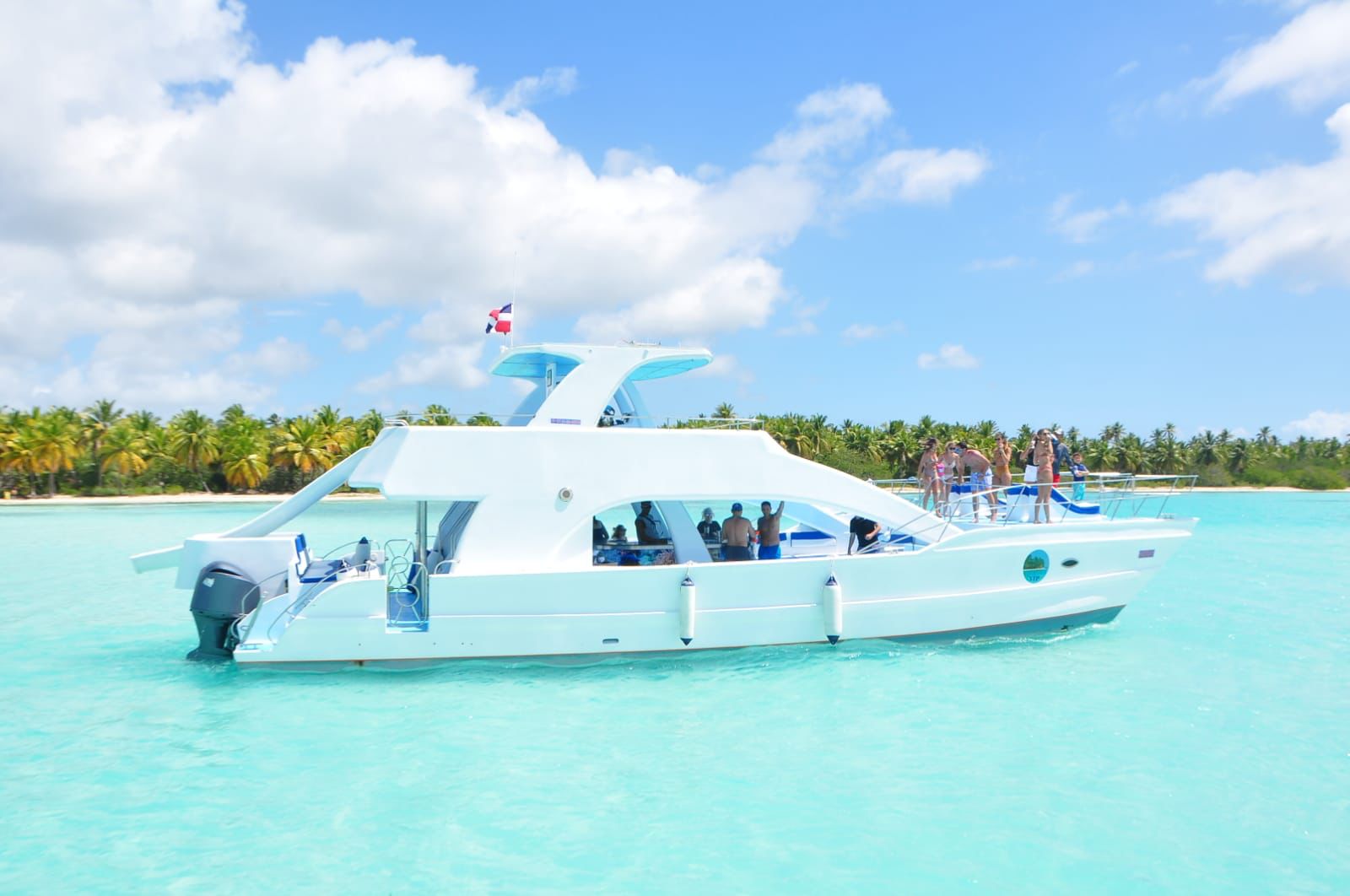
Local explorer & expert guide in Punta Cana Tours.

