Saona Island Marine Biogeography: Species Distribution, Ocean Barriers & Caribbean Biodiversity
The Caribbean Sea is home to an extraordinary variety of marine organisms. Coral reef fish, sea turtles, crustaceans, mollusks, marine mammals, and countless smaller organisms occupy different habitats throughout the region.
However, marine species are not distributed equally across every part of the ocean. Some organisms are widespread throughout the Caribbean, while others occupy relatively restricted geographical ranges. Certain species are associated with particular habitats, depths, or environmental conditions.
The scientific study of these patterns is called marine biogeography.
Marine biogeography examines where marine organisms live, how their geographical distributions developed, and why some species occur in particular regions but not others.
For Saona Island, located off the southeastern coast of the Dominican Republic, marine biogeography provides an interesting way to understand the island's position within the wider Caribbean marine environment.
This guide explores the geographical patterns of marine biodiversity, the environmental factors influencing species distribution, and the importance of understanding these patterns for conservation.
What Is Marine Biogeography?
Marine biogeography is the study of the geographical distribution of organisms in oceans and other marine environments.
It combines ideas from marine biology, ecology, oceanography, geology, and evolutionary science.
Researchers investigate questions such as:
- Why do certain fish species occur throughout the Caribbean?
- Why are some marine organisms restricted to particular habitats?
- How do ocean currents influence species distribution?
- Why do some islands support different marine communities from nearby coastal areas?
- How has geological history influenced the development of marine biodiversity?
Marine biogeography helps scientists understand both present-day ecosystems and the historical processes that shaped them.
Why Are Marine Species Distributed Differently?
Several factors influence where marine organisms can survive and reproduce.
1. Geographic location
The location of an island or coastline affects the environmental conditions experienced by its marine organisms.
Distance from continental landmasses, ocean basins, neighboring islands, and major currents can influence the arrival and persistence of species.
Saona Island forms part of the Greater Caribbean region, which includes many islands and coastal environments with interconnected marine ecosystems.
2. Habitat availability
Different species require different habitats.
For example:
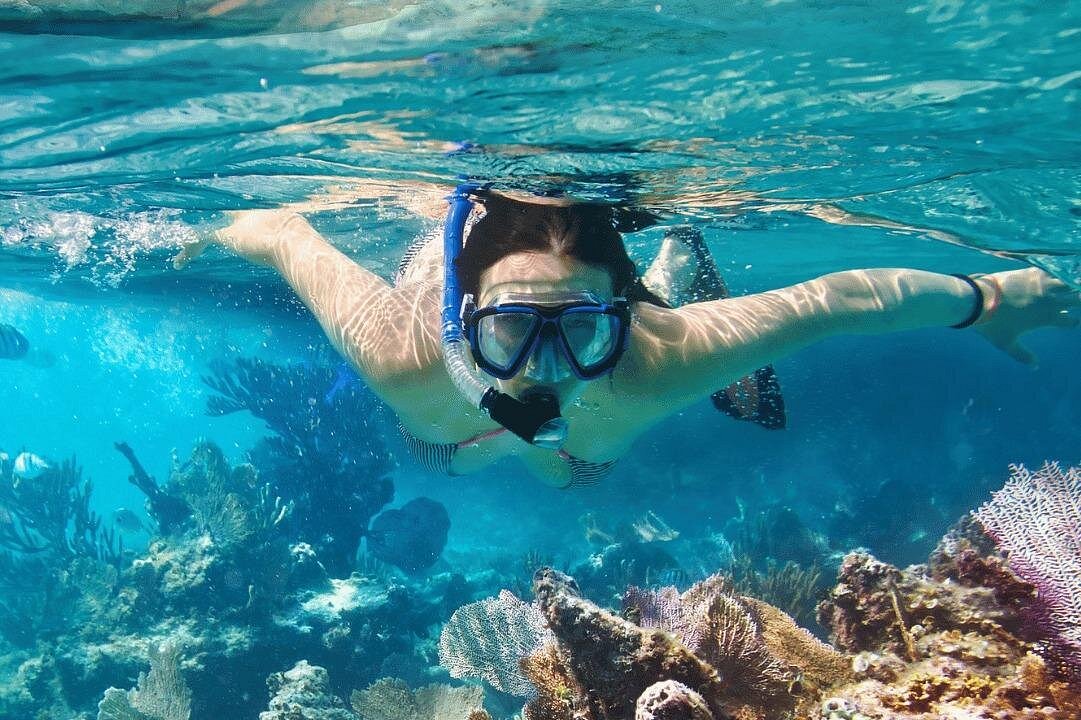
- Coral reef fish are associated with reef environments.
- Seagrass-associated organisms depend on underwater vegetation.
- Mangrove-associated species use sheltered coastal habitats.
- Pelagic species spend much of their lives in open water.
- Sandy-bottom organisms occupy sediment-based environments.
The distribution of these habitats influences which species can live in a particular location.
3. Water temperature
Temperature affects metabolism, growth, reproduction, and survival.
Species adapted to warm tropical water may be unable to maintain healthy populations in much colder conditions.
Temperature can therefore create geographical boundaries between marine communities.
4. Salinity
Salinity is another important factor.
Some marine organisms tolerate only a relatively narrow range of salt concentrations, while others can survive in changing conditions.
Variations between open ocean, coastal water, and estuarine environments can influence species distribution.
5. Water depth
Different species occupy different depth zones.
Sunlight availability, pressure, temperature, and food resources change with depth.
These environmental differences help determine which organisms can live in shallow coastal habitats, reef slopes, or deeper marine environments.
Understanding Caribbean Marine Biogeographic Regions
The Caribbean is a large and complex marine region.
Although it is often discussed as one broad ecological area, it contains many different habitats and biological communities.
Its marine environments include:
- Coral reef systems.
- Seagrass meadows.
- Mangrove forests.
- Sandy coastal habitats.
- Rocky shorelines.
- Deep-water environments.
- Offshore islands and banks.
These habitats support different combinations of marine species.
Geographical proximity does not always mean two locations have identical marine communities. Local conditions, historical isolation, and habitat differences can create noticeable variations.
Saona Island should therefore be understood as one location within a much larger and diverse Caribbean marine system.
How Ocean Currents Influence Species Distribution
Ocean currents help connect marine environments by transporting water, nutrients, and floating biological material.
They can influence species distribution in several ways.
Transporting early life stages
Many marine organisms have eggs or larvae that spend part of their development in the water column.
Currents may transport these early life stages between different habitats.
However, successful settlement depends on several factors, including larval behavior, environmental conditions, and habitat suitability.
Influencing food availability
Ocean circulation can influence the distribution of plankton and nutrients.
This affects the availability of food for different marine organisms.
Creating dispersal pathways
Some current systems provide pathways through which marine organisms can expand their geographical ranges over generations.
Other circulation patterns may limit movement or reduce connections between populations.
The influence of currents varies by species and life stage.
Ocean Barriers and Marine Species Distribution
The ocean may appear to provide unlimited space for marine organisms, but several environmental features can restrict their movement.
These are often called biogeographic barriers.
Temperature barriers
Some organisms cannot survive beyond their preferred temperature range.
Cold or unusually warm water may therefore restrict their distribution.
Deep-water barriers
Species adapted to shallow coral reefs may not be able to cross extensive deep-water areas.
Their survival may depend on suitable intermediate habitats.
Habitat gaps
A species that requires coral reef structures may be unable to establish a population across long stretches without suitable reef habitat.
Oceanographic barriers
Currents and circulation patterns can influence the movement of organisms.
Some may promote dispersal, while others can reduce successful connections between populations.
Land barriers
Continental landmasses and islands can separate marine environments.
Although many marine species can travel through connected water, their geographical distribution may still be influenced by the arrangement of land and ocean.
The Role of Geological History
Marine biogeography is not determined only by present-day environmental conditions.
The geological history of oceans and islands also influences species distribution.
Over millions of years, changes in sea level, continental movement, island formation, and ocean connections have altered marine habitats.
These changes can affect:
- The isolation of marine populations.
- The formation of new habitats.
- The movement of species between regions.
- The development of new species.
- The disappearance of populations from certain areas.
Geological changes can therefore help explain why some species have restricted distributions while others occur across large parts of the Caribbean.
Endemic, Native and Widespread Marine Species
Biogeography uses several important terms to describe species distributions.
Endemic species
An endemic species is naturally restricted to a particular geographical area.
It does not naturally occur outside that defined range.
Endemism may develop when populations become geographically isolated and evolve independently over long periods.
Native species
A native species occurs naturally in a region without having been introduced there by human activity.
It may also be naturally distributed across multiple countries or islands.
Widespread species
Some marine organisms occur across large geographical areas.
Their ability to disperse, tolerate different conditions, or occupy multiple habitat types may contribute to their broad distribution.
Introduced species
Introduced species are organisms transported beyond their natural geographical ranges through human activities.
Some introduced species establish populations in new environments.
Not every introduced species becomes invasive, but introductions can create ecological risks.
Understanding these distinctions helps scientists describe marine biodiversity accurately.
Why Habitat Connectivity Matters
Marine ecosystems are often connected rather than isolated.
A fish may use one habitat for feeding, another for shelter, and a different environment during reproduction.
For example, some Caribbean fish use mangroves or seagrass meadows during juvenile stages before moving into other habitats as they grow.
Coral reefs, seagrass meadows, mangroves, and open-water environments can therefore function as parts of a larger ecological network.
Habitat connectivity is important because damage to one environment may affect organisms that depend on several different habitats during their life cycles.
For Saona Island conservation, protecting the wider coastal and marine environment is more effective than considering each habitat completely separately.
How Scientists Study Marine Biogeography
Researchers use several scientific methods to understand marine species distribution.
Species distribution surveys
Divers, researchers, and trained observers record which species occur in particular locations.
Repeated surveys can help identify geographical patterns and changes over time.
Biodiversity mapping
Researchers combine geographical information with species records to create maps showing the distribution of marine organisms and habitats.
Environmental DNA
Environmental DNA, or eDNA, is genetic material released by organisms into their surroundings.
Scientists can collect water samples and analyze genetic traces to investigate which organisms may be present.
Detection requires careful interpretation and does not always establish the exact number or location of living individuals.
Satellite and remote sensing data
Satellite observations can provide information about sea surface temperature, ocean color, and other environmental characteristics.
These datasets help researchers investigate broad geographical patterns.
Genetic studies
Genetic comparisons between populations can reveal relationships, historical isolation, and patterns of connectivity.
This information can help explain why populations in different locations may be genetically similar or distinct.
Long-term monitoring
Repeated observations are essential for identifying changes in species ranges and biodiversity.
Long-term research can reveal how marine communities respond to climate change, habitat degradation, and other environmental pressures.
Marine Biogeography and Climate Change
Climate change can influence where marine organisms are able to survive.
As ocean temperatures change, some species may expand into new geographical areas while others may experience shrinking suitable habitats.
These changes can affect marine biodiversity and ecological relationships.
Important processes include:
- Changes in suitable temperature ranges.
- Shifts in reproductive timing.
- Alterations in habitat quality.
- Changes in food availability.
- Increased stress on coral reef ecosystems.
- Changes in the distribution of some marine species.
Not every species responds in the same way.
Some may adapt, some may move, and others may experience population decline.
Monitoring species distribution is therefore important for understanding long-term marine ecosystem changes.
Why Marine Biogeography Matters for Saona Island
Saona Island is part of the wider marine environment of the Dominican Republic and the Caribbean.
Its geographical position makes it relevant to broader questions about island ecosystems, coastal habitats, and regional marine biodiversity.
Marine biogeography can help conservation planners understand:
- Which habitats support different marine communities.
- How species are distributed across coastal and offshore environments.
- Which habitats may be important for population connectivity.
- How environmental changes may influence species ranges.
- Where further scientific monitoring may be useful.
It is important to distinguish regional scientific knowledge from confirmed local species records. Specific claims about endemic species, rare species, or particular distribution boundaries around Saona Island should be supported by reliable surveys and published research.
How Visitors Can Support Caribbean Marine Biodiversity
Responsible visitors can help protect the habitats that support marine biodiversity.
Respect marine wildlife
Observe marine animals without chasing, touching, feeding, or disturbing them.
Avoid damaging habitats
Do not stand on coral, remove marine organisms, or damage underwater vegetation.
Reduce waste
Plastic and other rubbish can affect marine organisms and coastal habitats.
Dispose of waste responsibly throughout an excursion.
Choose responsible tour operators
Look for operators that follow environmental guidance and respect protected marine areas.
Support conservation awareness
Learning about marine habitats and sharing responsible tourism practices can encourage wider support for ecosystem protection.
Frequently Asked Questions
1. What is marine biogeography?
Marine biogeography is the scientific study of where marine organisms occur and the geographical, environmental, and historical factors that influence their distribution.
2. Why are some marine species found only in certain locations?
Species distribution depends on factors such as temperature, salinity, depth, habitat availability, geographic barriers, and evolutionary history.
3. Is the Caribbean one marine biogeographic region?
The Caribbean is a major marine biogeographic region, but it contains many different habitats and biological communities with geographical variation.
4. How do ocean currents influence marine biodiversity?
Currents can transport larvae and other floating organisms, influence food availability, and connect marine populations across geographical areas.
5. What is an endemic marine species?
An endemic species is naturally restricted to a particular geographical area and does not naturally occur outside its defined range.
6. What is the difference between native and introduced species?
Native species occur naturally in a region. Introduced species arrive beyond their natural range through human activities.
7. Can climate change alter marine species distribution?
Yes. Changes in ocean temperature, habitat conditions, and food availability can cause species to shift their geographical ranges.
8. Why is marine biogeography important for Saona Island?
It helps explain the relationship between the island's marine environment and wider Caribbean biodiversity, supporting better habitat conservation and scientific monitoring.
Conclusion
Marine biogeography explains why the ocean supports different biological communities in different geographical locations. Species distribution is influenced by habitat availability, water temperature, salinity, ocean currents, geographical barriers, and millions of years of evolutionary history.
For Saona Island, this science provides a wider perspective on its place within Caribbean marine biodiversity. The island's marine environment is connected to a larger ecological system that includes coral reefs, seagrass meadows, mangroves, and open-water habitats.
Protecting marine biodiversity requires understanding these connections and maintaining the habitats that support different species.
Through scientific research, habitat conservation, responsible tourism, and long-term monitoring, the geographical richness of Caribbean marine life can be better understood and protected for future generations.
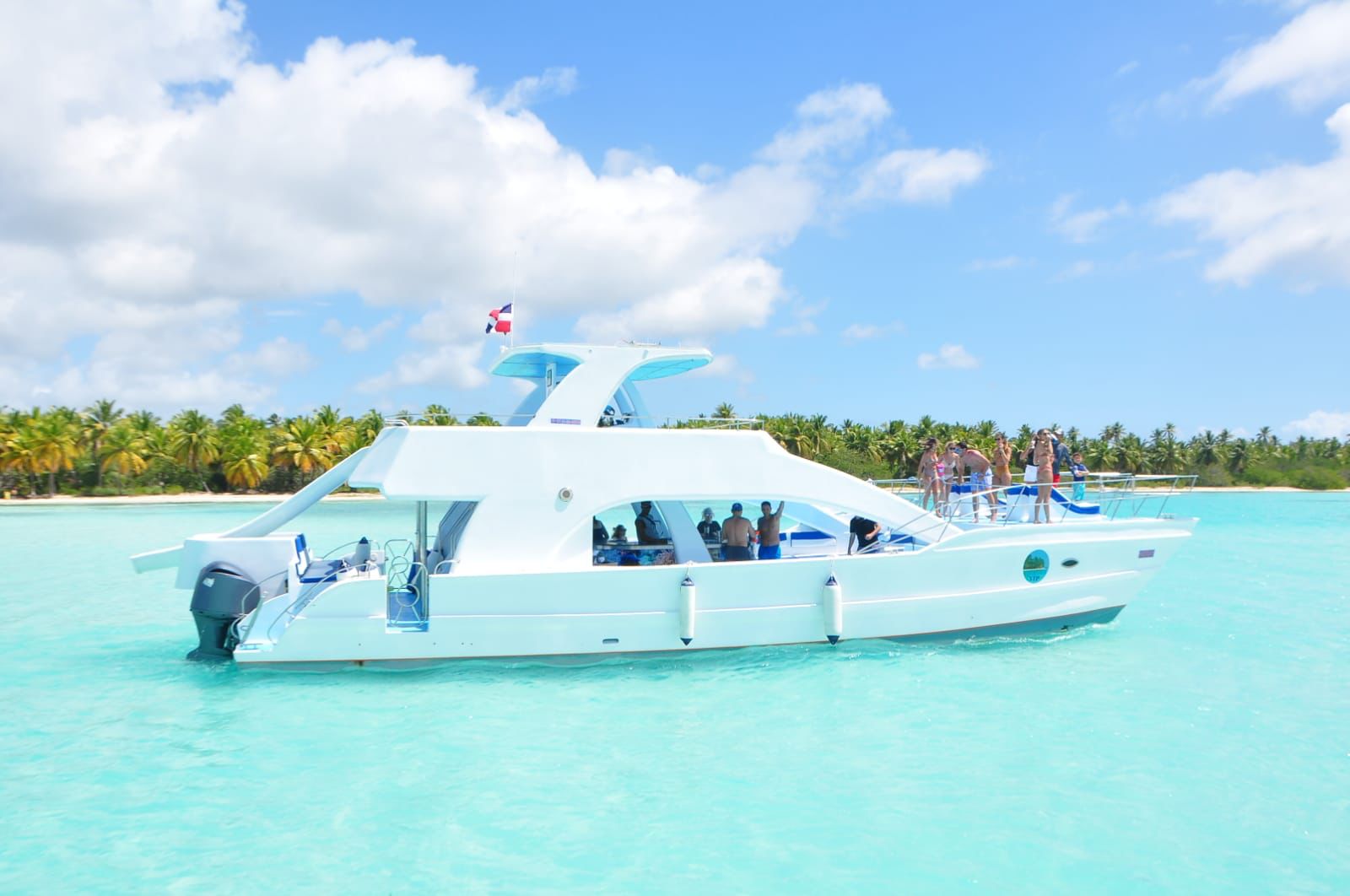
Local explorer & expert guide in Punta Cana Tours.